For chandlers4 min read
The first quote to the ship: why speed wins provisions orders
The same list goes to several suppliers, and a complete first quote often gets ahead. Where you lose time, and how to win it back, step by step.
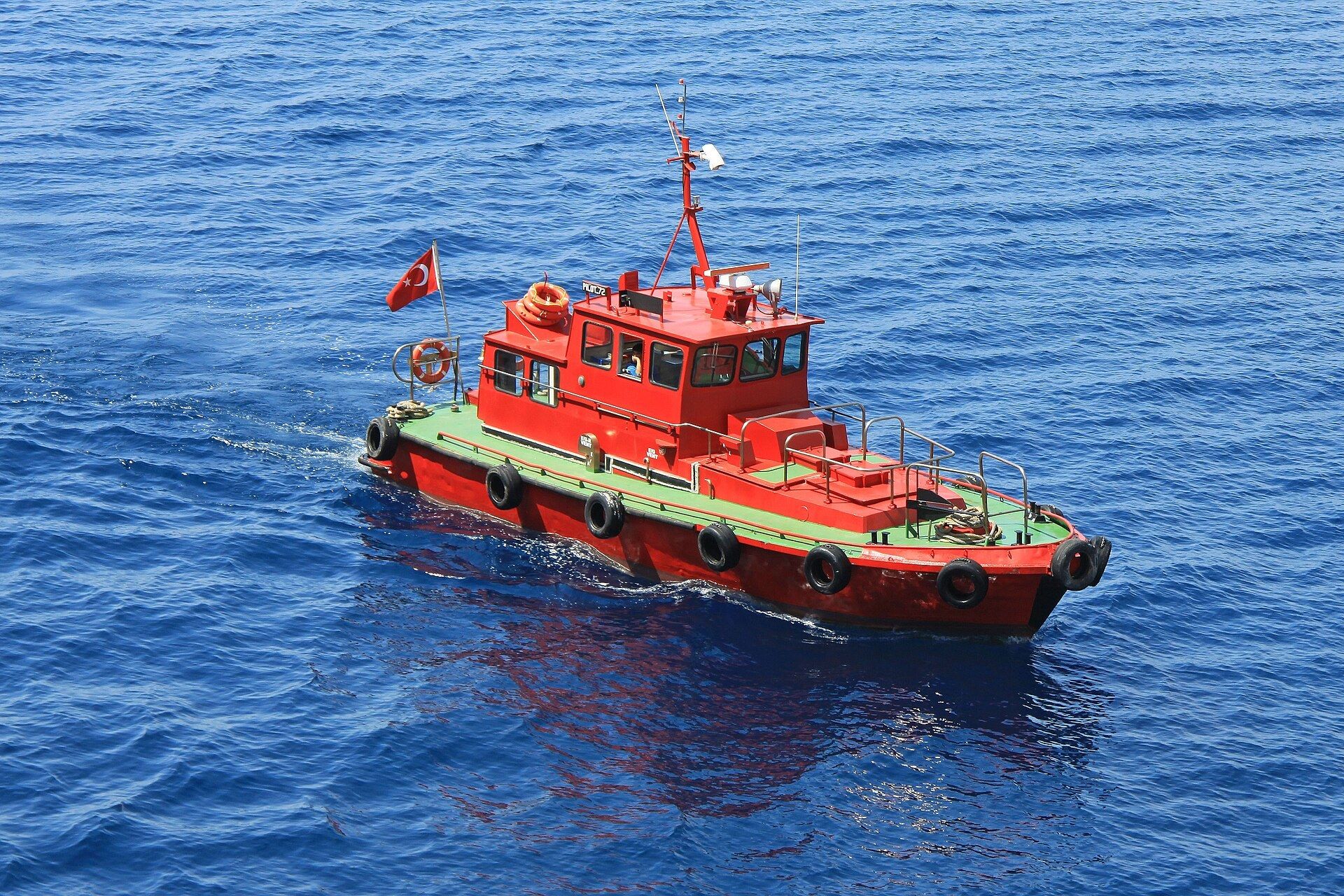
When a ship sends its provisions list, it rarely sends it to just one supplier. The master or the agent has limited time: the ship is approaching, the anchorage and delivery time must be fixed, and the crew’s needs must be met. In this race the cheapest quote does not always win; but the first quote that is complete, clear and on time often gets ahead.
In this article we look at where a ship chandler loses time in the quoting process and how to win that time back.
The clock starts when the list arrives
The list from the ship usually comes as an attachment or in the body of an e-mail. From that moment several jobs follow one another: the list is read, the products are matched to your catalog, prices and exchange rates are calculated, the quote document is prepared and sent to the ship. A little time is lost at every step, and together these losses can add up to hours.
For the master and the agent, waiting is a risk. If the ship is in transit or will stay at anchor only briefly, the delivery has to be planned. That is why the first complete quote becomes the natural starting point for the decision.
Where is the time lost?
At ship chandlers, the jobs that take the most time are usually these:
- Retyping the list. A list that arrives as a PDF or a photo is copied into a spreadsheet by hand.
- Lines in a foreign language. Working out what a Chinese, Russian or Japanese line means takes time.
- Finding each price. For every product, the purchase price, the current exchange rate and the margin are worked out separately.
- Formatting the document. The quote is laid out again every time, with the currency and dates typed by hand.
- Reaching the right person. You search for the address the quote should go to, and the thread it belongs in.
None of these jobs is hard on its own; the difficulty is that they are repeated for every list.
Seeing the ship in advance
The first source of speed comes before the list. A supplier who follows ship traffic with AIS data sees the ships approaching the area, and their estimated arrival times, in advance. This lets you:
- Spot early the ships of the owners and agents you regularly work with.
- Remind the ship or the agent of your services before the list arrives.
- Plan stock for frequently requested products and the delivery boat ahead of time.
Being ready before the ship drops anchor is the first time you win once the list arrives.
Reading the list in one go
You cannot choose the format the list arrives in. It may be an Excel file, a PDF, a photo taken with a phone or lines typed into the body of an e-mail. A fast process handles every format the same way: it reads the lines, separates quantity and unit, and matches the product to your catalog.
What matters here is to flag the lines you are unsure of instead of guessing. If a line’s counterpart in your catalog is unclear, that line should go to review while the others move on without waiting. A match you correct once should be recognized automatically in the next list.
Keeping prices ready
A large part of quoting speed comes from having prices ready before the list arrives:
- Your purchase prices should be up to date and in one place.
- The exchange rate should update automatically every day.
- Margin rules should be defined in advance at product, category and general level.
- Items whose prices change often, such as fresh produce, need a current reference.
When these four pieces are in place, the price is calculated the moment a line is matched.
Sending the quote in the ship’s language
A quote document prepared in the language it will be read in on board makes the decision easier. Sending PDF and Excel together means the quote can be read and also edited on board. Sending the quote as a reply to the ship’s e-mail, in the same thread, also makes life easier for the master and the agent.
Stating clearly which products cannot be supplied, and naming any alternative you propose, also builds trust.
Balancing speed and accuracy
Fully automatic sending may look attractive; but a wrong quote reaching the ship can cost more than being late. The right balance is this: a quote should go out on its own only when every condition is met. Every line must be matched with confidence, the total must stay below the limit you set, and the sender must be known. If one condition is missing, the quote should wait for your approval with the reason written down.
Limited automatic sending in Shiporax works exactly this way: the decision to send is made by the rules you set, not by the AI.
In short
- See the ship before the list and be ready.
- Read the list in one go whatever its format, and flag what you are unsure of.
- Keep your purchase prices, exchange rate and margin rules ready in advance.
- Send the quote in the ship’s language, as PDF and Excel, in the same e-mail thread.
- Tie automatic sending to rules; when in doubt, the decision stays with you.
Frequently asked questions
How soon should we quote the ship?
There is no fixed deadline; the decision is often made in the hours before the ship arrives. The sooner a complete, easy-to-read quote arrives after the list, the easier you make the work of the master and the agent.
Do we have to give up accuracy for speed?
No. Most of the speed comes from removing repetitive work: retyping the list, converting currencies, formatting documents. A process that flags the lines needing a check gives you a quote that is both fast and accurate.