For chandlers4 min read
Pricing a provisions quote: cost, exchange rate, margin and fresh produce
A quoted price has four parts: purchase cost, exchange rate, margin and extra charges. How to set up each one, and how to price fresh produce, with a worked example.
In a provisions quote the price looks like a single number; behind it, though, is a calculation repeated for every line. If that calculation is not set up the same way in every quote, the same product goes to one ship at one price and to another ship the next day at a different price. In this article we look at the parts that make up the price and at how to make the calculation repeatable.
The four parts of a price
The quoted price of a line has four parts:
- Purchase cost: the price at which you buy the product.
- Exchange rate: the conversion when cost and quote are in different currencies.
- Margin: the share you add on top of cost.
- Extra charges: costs that belong to the quote rather than a line, such as the delivery boat, customs and agency handling.
Purchase cost: the backbone of the quote
The most reliable basis for a quote is your own purchase prices. They need to be kept in one place, up to date and in the same unit. If one product is kept per kilo and another per carton, comparing them with the unit the ship asked for becomes a source of errors. Updating the price list regularly, and being able to see when each product was last updated, stops you quoting from an old price.
Exchange rate: which rate, and when?
Quotes to ships are usually in euros or dollars, while purchase costs are in the local currency. Two decisions are needed here:
- Which rate? Using an official reference rate, such as the central bank’s or the European Central Bank’s, makes the calculation easy to explain.
- When? The rate is fixed on the day the quote is prepared, and the quote is kept valid for a short period. If exchange rates are volatile, the validity period gets shorter accordingly.
Margin: set rules, do not decide every time
Rethinking the margin for every quote wastes time and creates inconsistency. A sounder method is to define the rules in advance: a rate for the specific product, otherwise the category rate, otherwise a general rate. That way one rate applies to meat and another to dry goods, without having to decide product by product.
The example below shows the calculation for a single line (sample figures):
| Step | Value |
|---|---|
| Purchase cost | TRY 1,240.00 |
| Exchange rate (1 EUR) | TRY 48.10 |
| Cost in euros | €25.78 |
| Margin 18% | €4.64 |
| Quoted price | €30.42 |
Fresh produce: items whose price changes every day
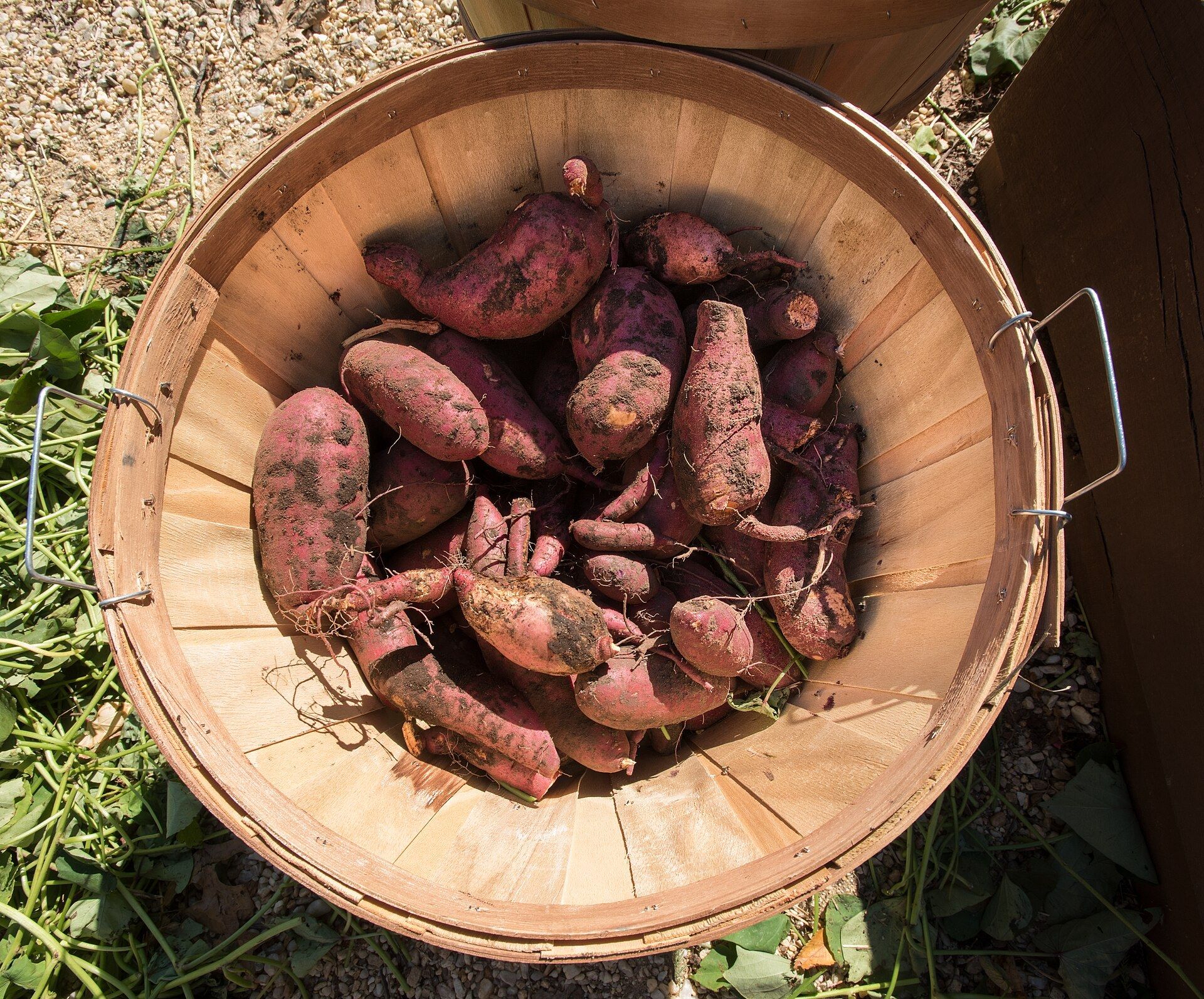
The prices of fresh produce such as vegetables, fruit, meat and fish change within days, not weeks. For these items you need a current reference rather than a fixed list price. In Türkiye, wholesale produce market prices are published daily, and similar wholesale market prices exist in other countries. Adding a factor on top of the reference price, to cover quality, trimming and transport, is a practical way to re-price fresh produce every day.
It also matters not to depend on a single source. A market may not publish its list on a given day, or a product may not have been traded there. Using sources in an order of priority (first the nearby market, then a large regional market, then the national average) keeps fresh produce from going unpriced; seeing which market and which day a price came from, while you prepare the quote, makes the decision easier.
Extra charges on separate lines
Showing costs such as the delivery boat, customs procedures or agency fees as separate lines at the bottom of the quote, rather than burying them in product prices, gives transparency. The master and the agent see what they pay for, and you can easily update these charges as things actually turn out.
VAT and documents
In Türkiye, provisions delivered to ships on international voyages are treated as exports and are generally exempt from VAT. The exemption depends on the customs declaration and the documentation rules are detailed, so you need to set up the process with your accountant. Calculating quote prices excluding VAT is therefore a common starting point. Rules differ in other countries.
Check that the price is reasonable
However orderly the calculation, if a line’s price looks unusual compared with your past quotes, you want to see it. A mistyped purchase price or a wrong unit is only caught by such a comparison. If you use automatic sending, a quote with unusual prices should not go out on its own.
In short
- Keep your purchase prices in one place, up to date and in the same unit.
- Take the exchange rate from an official reference and state the quote’s validity.
- Define your margin with product, category and general rules.
- Use a daily reference price and a factor for fresh produce.
- Show extra charges on separate lines.
- Confirm how VAT applies with your accountant.
Frequently asked questions
How long should a quote be valid?
Because exchange rates and fresh produce prices change quickly, a short validity period is common, for example 48 hours. Stating the period clearly in the quote prevents disputes later.
Is VAT charged on provisions sold to foreign-flagged ships?
In Türkiye, provisions delivered to ships on international voyages are treated as exports and are generally exempt from VAT. The exemption depends on the customs declaration; confirm the details with your accountant. Rules differ in other countries.