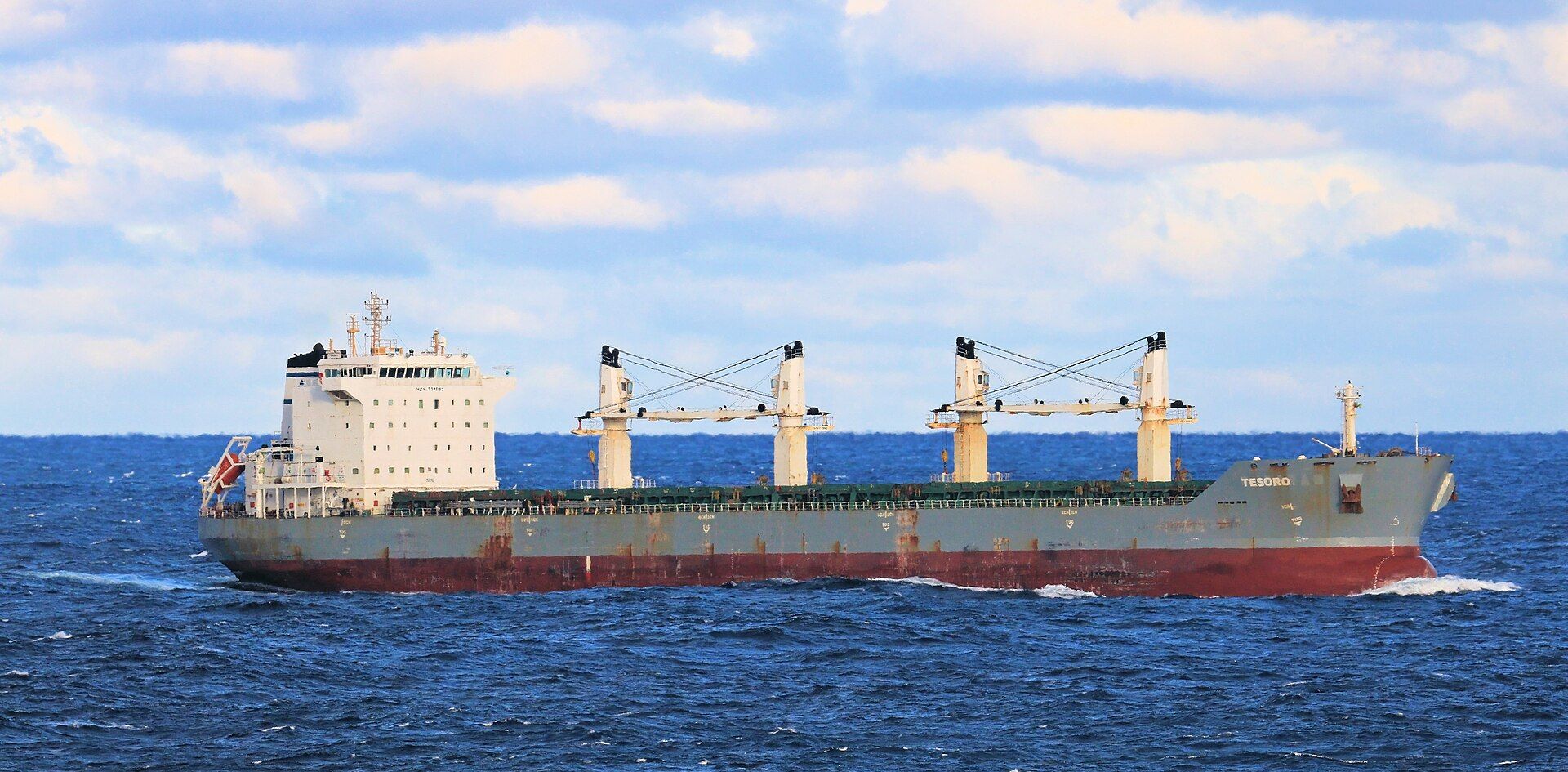
For ships4 min read
Provisions in transit and at anchor: a guide for masters and agents
Ships do not always berth to take provisions; often they are delivered at anchor or during a short stop. When to send the list, how delivery is planned and who needs to know what.
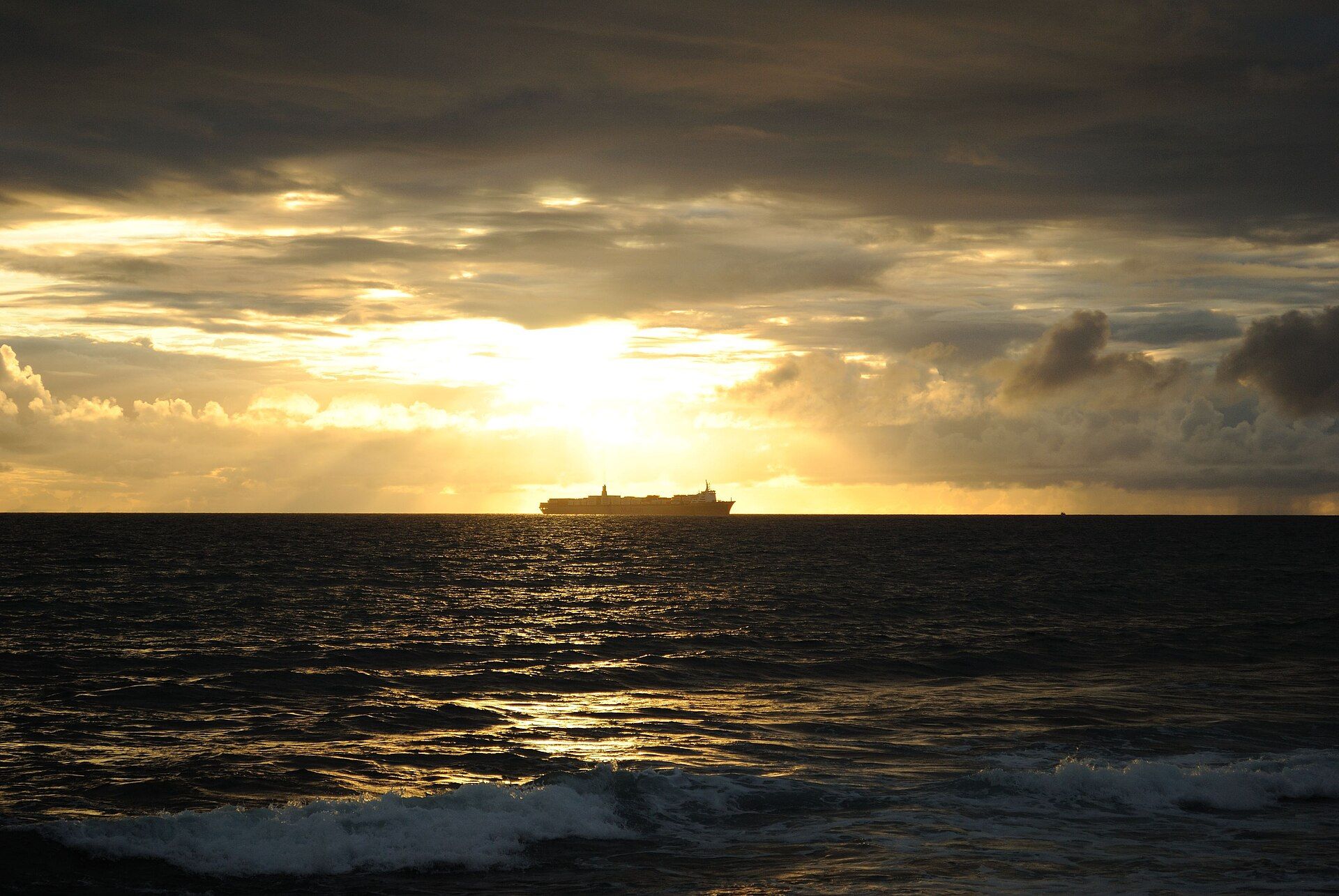
Ships do not always take provisions alongside. Delivery is often made at an anchorage while the ship waits for a pilot, a berth or cargo orders, and sometimes during a short stop on passage. Each of these situations needs its own plan.
In this guide we go through timing, the list, delivery, documents and communication for masters and agents who want provisions in transit, at anchor or alongside.
In transit, at anchor or alongside
How easy delivery is depends on where the ship is at the time:
- Ship alongside: The products are brought to the quay by vehicle and taken on board. Port access permits and working hours shape the plan.
- Ship at anchor: Delivery is made by boat while the ship waits. If the weather and sea allow, this is one of the easiest cases to plan.
- Ship in transit: Delivery is only possible if the ship can wait briefly or slow down. The place and time are agreed with the ship’s agent and, where needed, the authorities.
Whichever applies, the earlier you send the list, the more options the supplier has.
When should you send the list?
A list sent 24 to 48 hours before the estimated arrival gives the supplier enough time to gather the products, buy fresh produce as close to delivery as possible and plan the boat or vehicle. Lists that arrive at shorter notice can often be met too, although some items may need substitutes.
Sharing the following with the list speeds things up:
- Ship name and IMO number
- Estimated time of arrival (ETA) and expected delivery place: alongside, at an anchorage or at a point on the route
- Name and contact details of the ship’s agent
- E-mail address of the master or the purser
How to prepare the list itself is covered in ten points in our provisions list guide.
Delivery by boat or alongside
Delivery is usually coordinated with the ship’s agent: the agent handles port and customs formalities, and the supplier prepares the products and the delivery boat or vehicle.
For delivery by boat, agree these points in advance:
- Which side the boat comes alongside and where the goods are taken on board
- Whether the ship’s crane or the gangway will be used for the goods
- How chilled and frozen products are kept cold until handover
- Who will receive the delivery on board
On delivery the products are counted, the delivery note is signed on behalf of the ship and is often stamped with the ship’s stamp.
Documents and customs
In most countries, provisions delivered to ships on international voyages are subject to customs procedures. The supplier and the agent usually prepare the required documents; the ship’s part is to check and sign the delivery note. Rules vary by country, port and ship, so following your agent’s guidance is the best course.
Fresh produce and substitutes
Vegetables, fruit, bread and dairy are bought as close to delivery as possible. Grouping them in a separate section of the list and writing acceptable substitutes makes the supplier’s job easier. Short notes such as “tomatoes, otherwise vine tomatoes” or “whole milk only” reduce the risk of the wrong product.
Communication: who needs to know what, and when?
The biggest risk with deliveries in transit or at anchor is a change that does not reach everyone. A few simple rules prevent it:
- Name one contact person on board: the master, the purser or the chief cook.
- If the ETA, delivery place or waiting time changes, write to the supplier and the agent at the same time.
- Reply within the same e-mail thread, so the list, the quote and the changes stay in one place.
- Confirm the latest status with a short message before delivery.
Sending your list with Shiporax
Shiporax is software that ship chandlers use to read lists quickly and prepare quotes. It is always free for ships: you send your list in your own language and in whatever format you have (Excel, PDF or a photo), and a ship chandler using Shiporax in your port sends the priced quote in your language, as PDF and Excel. The quote comes from the chandler’s own e-mail address, in the same thread.
In short
- Alongside, at anchor and in transit each need their own plan; in transit, plan with the agent.
- Send the list 24 to 48 hours before the estimated arrival.
- Add the ship’s name, IMO number, ETA, delivery place and agent to the list.
- For boat delivery, agree the side, how the goods are lifted and who receives them.
- Group fresh produce in a separate section and write substitutes.
- Share changes in the same thread, with everyone at the same time.
Frequently asked questions
Can a ship take provisions in transit?
Often yes, if the ship can wait briefly, slow down or anchor. The place and time are planned with the ship's agent, the supplier and, where needed, the authorities; sending the list early gives you more options.
When should we send the list at the latest?
Sending it 24 to 48 hours before the estimated arrival is the most comfortable. Lists that arrive at shorter notice can often be met too, although some items may need substitutes.
In which language will the quote come?
Ship chandlers using Shiporax prepare the quote in the language your list came in, as PDF and Excel. The quote document can be prepared in 23 languages.
Updated: